

Gold rush
- Gustavo A Cano, CFA, FRM

- Jul 5
- 1 min read
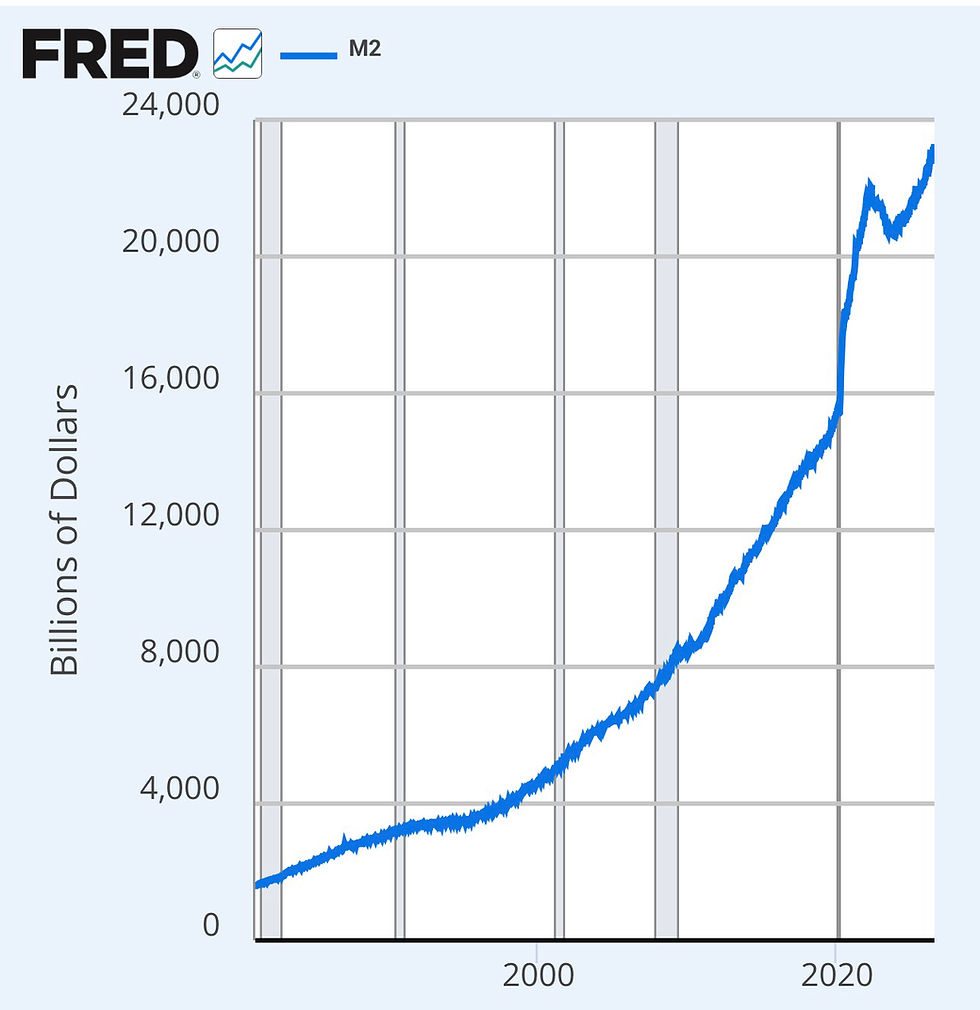
Central banks have been major net buyers of gold for several years, marking a significant shift from earlier periods when many were net sellers. This trend accelerated notably after 2022 amid geopolitical tensions, economic uncertainty, and a strategic push for reserve diversification. In 2026 so far, buying has continued at a solid pace, with Q1 net purchases around 244 tonnes. Unreported or opaque buying remains substantial, as some institutions add reserves without immediate disclosure. China’s PBoC doesn’t like to show all the gold it’s buying, but it’s definitely more than reported, which is a lot. Emerging market and developing economy central banks dominate recent purchases: Poland, India, Kazakhstan, Turkey or Brazil have been very active, while developed economies have been less keen on adding gold to their reserves. Aside from reserves diversification and inflation, central banks are using gold as sanctions protection, after te U.S. froze Russian dollars after the invasion of Ukraine. Surveys show that 89%+ expect global central bank gold reserves to rise further, with a record 45% planning increases for their own institutions. None anticipate declines, which solidifies the thesis that this is not a short-term speculative move but a structural shift driven by risk management in a more fragmented, uncertain world. While purchases moderated slightly in 2025 amid high prices, the underlying drivers remain strong, supporting continued demand. Central bankers are hedging against debasing.
Want to know more? You can register for free at Fund@mental.
#iamfundamental #soyfundamental #wealthmanagement #familyoffice #financialadvisor #financialplanning #policymistake #ratecut #stagflation



Comments